# Sleep: The Superpower You’re Probably Ignoring (And How to Get It Back)
Let’s be real—how many times have you said, “I’ll sleep when I’m dead”? Or traded an hour of shut-eye for one more episode, one more scroll, one more task? We live in a culture that wears exhaustion like a badge of honor. But what if I told you that **prioritizing sleep isn’t lazy—it’s the ultimate life hack?**
Sleep isn’t just downtime. It’s your body’s nightly tune-up, your brain’s deep-cleaning service, and your emotional resilience’s secret weapon. Let’s break down why quality sleep is non-negotiable and how to make it a joy, not a chore.
---
## 🧠 Why Sleep Isn’t Just “Resting”
When you sleep, your body and brain go into serious work mode. Here’s a peek at the midnight factory:
* **Memory Consolidation:** You learn and experience things all day. During **deep sleep (NREM)**, your brain transfers short-term memories to long-term storage. Skip this, and you’re literally forgetting things faster.
* **Brain Detoxification:** Your brain has a “glymphatic system” that flushes out metabolic waste—like the amyloid proteins linked to Alzheimer’s. **This system is 10x more active during sleep.**
* **Emotional Reset:** REM sleep (the dream stage) processes emotions and softens the sharp edges of traumatic or stressful memories. No REM? You’re more irritable and anxious.
* **Physical Repair:** Growth hormone peaks during sleep, repairing tissues and muscles. Your immune system also gets a boost, producing infection-fighting cytokines.
* **Metabolic Health:** Poor sleep disrupts hunger hormones (ghrelin and leptin), making you crave junk food and increasing your risk for type 2 diabetes.
[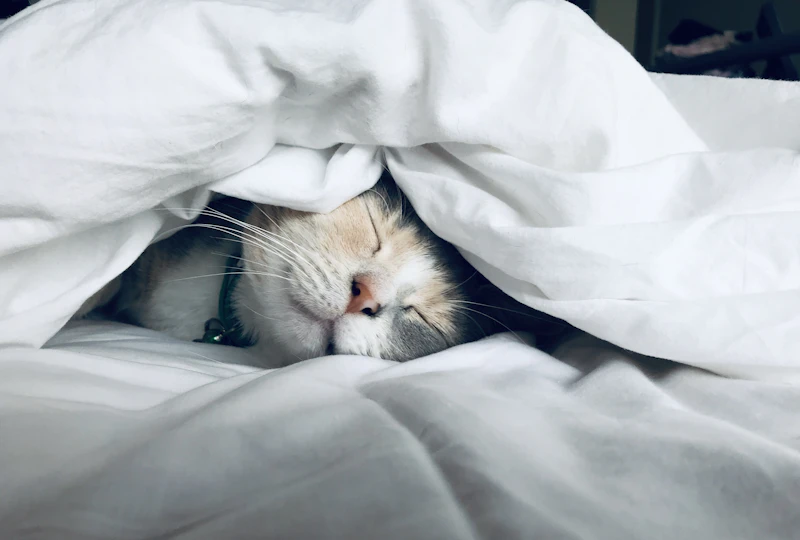](https://unsplash.com/photos/person-lying-on-bed-using-laptop-at-night-QXevDflbl8A)
> **Image Source:** [Unsplash - Person relaxing before sleep](https://unsplash.com/photos/person-lying-on-bed-using-laptop-at-night-QXevDflbl8A)
---
## ⚖️ The High Cost of Skipping Sleep
Think you can function on 5-6 hours? Science says no. **Chronic sleep restriction has cumulative effects:**
| Sleep Duration | Risk Increase |
|----------------|---------------|
| <6 hours/night | 30% higher risk of obesity |
| <6 hours/night | 48% increased risk of heart disease |
| <6 hours/night | 3x higher risk of depression |
It’s not just health—your **productivity plummets**. Decision-making, creativity, and focus suffer as much as being legally drunk after 17-19 hours without sleep.
---
## 🌙 How to Make Sleep “Happy” (Not a Battle)
Forget strict, miserable routines. The goal is **sleep satisfaction**—waking up feeling restored. Here’s how:
### 1. **Master the Pre-Sleep Wind-Down (The 60-Minute Rule)**
Your brain needs a signal: “It’s safe to power down.” Create a **digital sunset**—no phones/computers 60 minutes before bed. The blue light suppresses melatonin (your sleep hormone). Swap screens for:
* Light reading (physical book!)
* Gentle stretching or yoga
* Meditation or deep breathing (try the 4-7-8 method)
* Warm shower or bath (the cooldown afterward triggers drowsiness)
### 2. **Optimize Your Sleep Cave**
* **Pitch Black:** Use blackout curtains or a sleep mask. Even tiny amounts of light disrupt melatonin.
* **Cool & Quiet:** Ideal temperature is **60-67°F (15-19°C)**. Use earplugs or a white noise machine if needed.
* **Reserve Your Bed:** Your bed should be for sleep (and intimacy only). No work, no stressful scrolling. This builds a powerful mental association.
### 3. **The 10-3-2-1-0 Rule (A Simple Daily Script)**
* **10** hours before bed: No more caffeine.
* **3** hours before bed: No more food or alcohol.
* **2** hours before bed: No more work or screen time.
* **1** hour before bed: Your wind-down routine begins.
* **0** snoozes in the morning. Wake up at the same time daily.
### 4. **Embrace the Power Nap (If Needed)**
A **20-minute nap** can restore alertness without causing grogginess. But keep it early—after 3 PM can sabotage nighttime sleep.
[](https://unsplash.com/photos/person-sleeping-on-bed-posing-for-photo-during-daylight-5fNmWej4tAA)
> **Image Source:** [Unsplash - Cozy sleep environment](https://unsplash.com/photos/person-sleeping-on-bed-posing-for-photo-during-daylight-5fNmWej4tAA)
---
## 🛌 When Sleep Isn’t Happy: Listen to Your Body
If you’re doing all the “right” things and still feel exhausted, it’s not you—it might be a **sleep disorder**.
* **Snoring + Daytime Fatigue?** Could be **sleep apnea**.
* **Can’t Fall/Stay Asleep for 3+ Months?** Might be **chronic insomnia**.
* **Uncontrollable Sleep Attacks?** Consider **narcolepsy**.
**Talk to a doctor or sleep specialist.** These are medical conditions, not personal failures.
---
## ✨ The Takeaway: Sleep is Self-Respect
You wouldn’t expect your phone to run without charging. Why expect your brain and body to run without sleep?
Start small. Tonight, try **just one thing**: your 60-minute digital sunset. Notice how you feel in the morning. Happiness isn’t just found in what you *do*—it’s often found in how well you **rest**.
Your most vibrant, creative, and resilient self is waiting for you… in your dreams.
---
**Sweet dreams & smart living,**
*The Human Behind the Keyboard*
*P.S. What’s your #1 sleep hurdle? Share in the comments—let’s troubleshoot together!* 😴
0 Comments